
You bought a hydrating serum because your skin felt tight by noon. You applied it the way the bottle says, waited a minute, and then your moisturizer rolled into little gray balls the moment you touched it. You are not doing anything wrong, and your skin is not broken. Pilling is a layering problem, and it has a fix that takes about ninety seconds once you know the order.
I spent fourteen years behind a department store beauty counter, and the single most common complaint I heard about serums was not that they failed to hydrate. It was that they pilled. The culprit is almost never the serum alone. It is the way we stack products on top of each other, too fast, with too much friction. The serum I keep coming back to when I test this at home is CeraVe Hyaluronic Acid Serum, because it is affordable, fragrance-free, and easy to find, which makes it a fair test of whether the technique works or the product is the problem. Behind the counter, I learned to ask one question before recommending anything: how are you applying it? Nine times out of ten, the product was fine and the method was the problem. That is still the first question I ask myself when something rolls up under my fingertips.
The serum that made me stop blaming my moisturizer
CeraVe Hyaluronic Acid Serum is the one I reach for when I want to test whether a pilling problem is technique or product. It layers cleanly when you give it ninety seconds, and it plays nice with most moisturizers.
Amazon Check Today's Price on Amazon →Step 1: Start with a damp face, not a dripping one
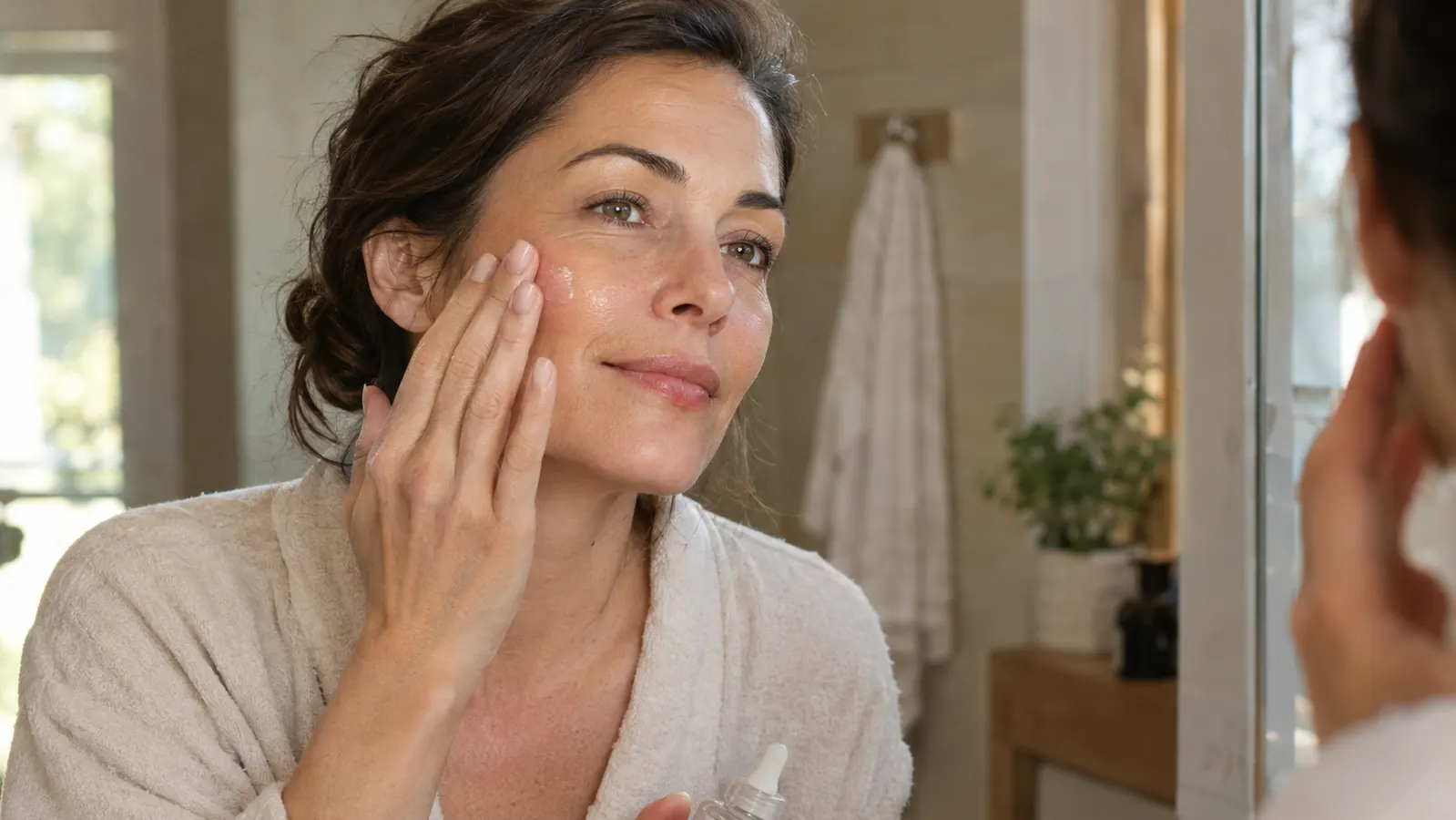
Hyaluronic acid is a humectant. It pulls water toward it, which is exactly what you want, but it needs water to grab. If you apply it to bone-dry skin, it can pull moisture from deeper layers instead of from the surface, which is the opposite of helpful. So after cleansing, pat your face with a towel and leave it slightly damp. Not wet enough to drip, just damp enough that your skin feels cool and a little tacky.
This is the step most people skip, and it is the one that changes everything. When I worked the counter, I would watch customers apply serum to a face that had been dried with a rough towel ten minutes earlier. The serum sat on top of the skin like a film, and the moisturizer slid around on that film. Damp skin gives the serum something to bind to, so it sinks in instead of sitting there. One morning last winter I tested this on purpose. I washed my face, dried it completely with a towel, and waited ten minutes before applying the serum. The serum stayed on the surface like a thin varnish, and when I went to press in my moisturizer, my fingers skipped across it instead of gliding. The next morning I did the same routine but only patted my face dry and applied the serum within about a minute. The difference was obvious. The serum disappeared into my skin in under thirty seconds, and my moisturizer went on without a single ball. Same products, same bathroom, same hands. The only variable was how damp my face was when the serum went on.
If your tap water is very hard, you can use a facial mist instead. The point is not the water source. The point is that the skin is damp when the serum goes on.
Step 2: Apply the serum with light pressure, not a massage
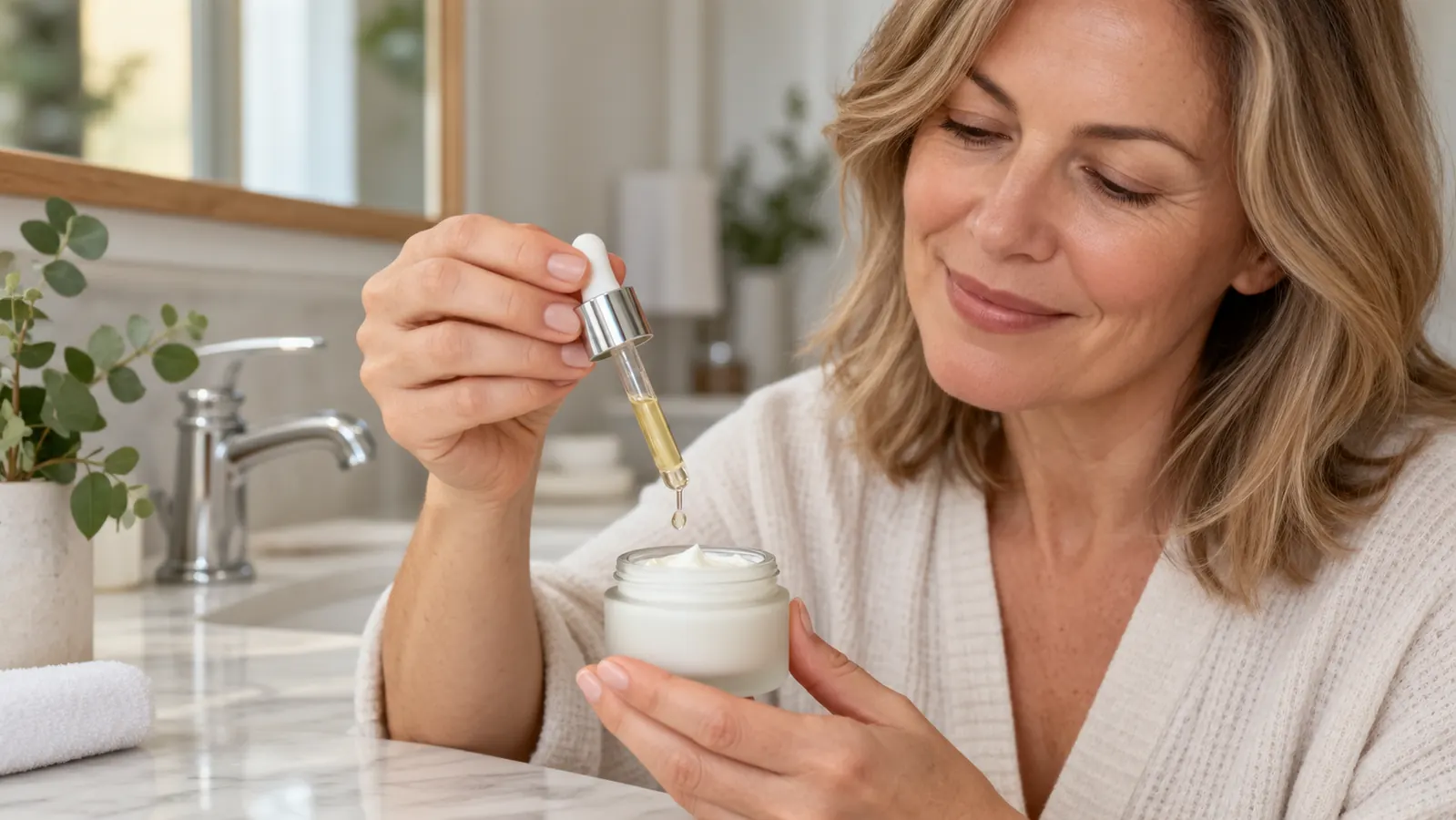
Two to three drops of CeraVe Hyaluronic Acid Serum is enough for the whole face. I know the bottle says a few drops, and I mean it. More serum does not mean more hydration. It means a thicker layer that takes longer to absorb and a higher chance that your moisturizer will pill on top of it. Two drops sounds like nothing until you try it. The first time I used this serum, I pumped four drops onto my palm, because more felt like it would mean more hydration. It did not. My face felt sticky for a full five minutes, and my moisturizer went on patchy. The next morning I used two drops, pressed them in, and the stickiness was gone in under a minute. The difference in how my skin felt at noon was zero. Same hydration, no residue. That is the argument for starting small and adding only if your skin feels tight by midday.
Press the serum into your skin with your palms or fingertips. Do not rub, do not massage, do not swipe. Rubbing creates friction, and friction is what rolls a partially absorbed serum into balls. I tell people to think of it like patting a baby's back, gentle and rhythmic, not like kneading dough.
Work in sections if you need to. Forehead first, then cheeks, then chin. By the time you finish the last section, the first section is usually dry enough to move on.
Step 3: Wait ninety seconds before anything else touches your face
This is the step that fixes nine out of ten pilling complaints, and it is the one people resist the most. Ninety seconds feels like forever when you are rushing to get out the door. But the serum needs time to form a film on the skin, and if you pile moisturizer on top before that film sets, the two products fight each other.
I timed it once with my phone because I wanted to know if I was being dramatic about the ninety seconds. At sixty seconds, the serum still felt slightly slick, and when I pressed a finger to my cheek, it left a faint trail. At ninety seconds, that trail was gone. At two minutes, the serum felt like nothing was there, just skin with a soft, powdery finish. I have found that the sweet spot for CeraVe Hyaluronic Acid Serum specifically is somewhere between ninety seconds and two minutes. Longer is fine. Shorter is where the trouble starts. If you cannot stand still, use the time to brush your teeth, which takes about two minutes if you do it properly. By the time you rinse, the serum is ready and you have not lost any time at all.
How do you know it is ready? Your skin should feel like it has a thin, slightly tacky layer on it, but your finger should not leave a visible trail when you touch it. If it still feels slippery, give it another thirty seconds.
Step 4: Warm your moisturizer between your fingers first
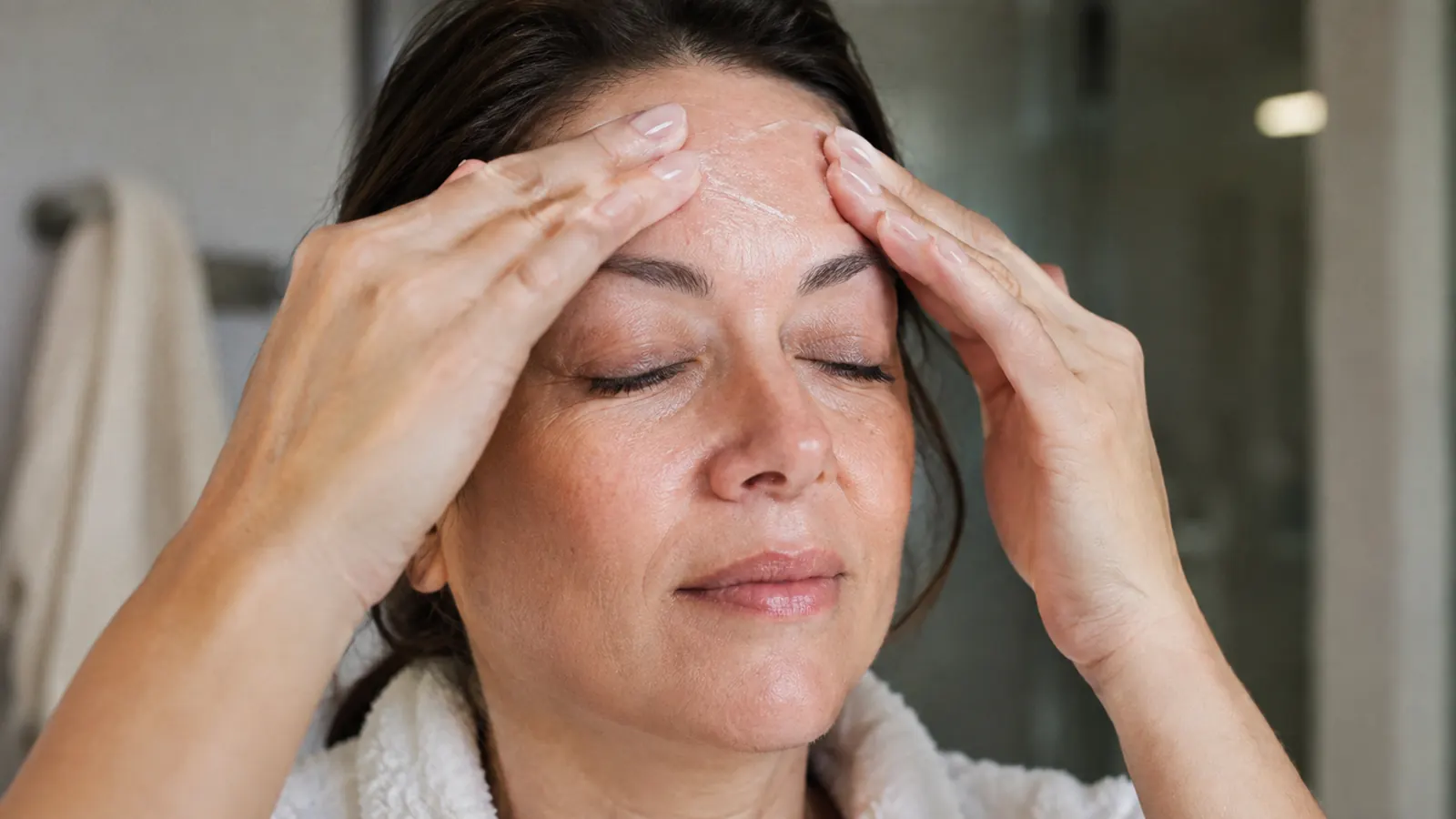
Scoop your usual amount of moisturizer, whatever that is for your skin, and rub it between your fingertips for a few seconds before you apply it. Warming it does two things. It softens the texture so it spreads more easily, and it means you are pressing a warm, thin layer onto the serum instead of dragging a cold, thick blob across it.
Apply the moisturizer the same way you applied the serum, with pressing and light patting motions rather than long sweeping strokes. If you normally use a rich cream, this matters even more. Rich creams have more waxes and butters in them, and those are exactly the ingredients that grab onto a not-quite-dry serum and roll it up. At the counter, I used to see women do the opposite. They would scoop a generous blob of cream onto their fingertips and sweep it across their face in long strokes, the way you might apply a body lotion. On top of a fresh serum, that motion is exactly what causes pilling. The cream drags, the serum underneath rolls, and the little balls appear along the jawline and the sides of the nose first, because that is where the friction is highest. When I switched to warming the moisturizer between my fingers for five seconds and then pressing it in with the same patting motion I used for the serum, the balls stopped appearing. My daughter Kayla tried it with her gel moisturizer, which is thinner than mine, and she did not need the warm-up step as much, but she still had better luck pressing than swiping.
One more thing: give your moisturizer the same courtesy you gave the serum. Let it sit for a minute before you apply sunscreen or makeup. If you rush straight from moisturizer to foundation, you are back to the same problem, just one layer higher.
Step 5: If it still pills, change one variable at a time
You have done all four steps and you still see little balls forming. Now you troubleshoot like a scientist, not like someone who throws products at the wall. Change one thing at a time and give each change two or three days before you judge it.
First suspect: too much serum. Cut back to two drops and see if that helps. Second suspect: the moisturizer. Some moisturizers contain ingredients like dimethicone or certain waxes that are more likely to pill over a serum, and no amount of technique will fix a genuine ingredient clash. Third suspect: your sunscreen. Mineral sunscreens, in particular, can be finicky over a serum and a moisturizer.
A few years ago I had a moisturizer that pilled over everything, not just serums. It was a thick night cream with a high wax content, and it rolled up over my daytime serum, over a bare face, and even over nothing at all when I tested it on my arm. That is how I learned to check the ingredient list before blaming the serum. Look for dimethicone high on the list, or ingredients like carbomer and acrylates, which are film-formers. CeraVe Hyaluronic Acid Serum has a fairly simple formula, and I have layered it under eight different moisturizers in the past year, from a light gel to a heavy cream. It pilled with exactly one of them, and that one had dimethicone as its third ingredient. The fix was not a different technique. It was a different moisturizer. So if you have done every step and the balls still appear, try swapping the moisturizer before you give up on the serum. And if that does not do it, the honest answer is that this particular serum and this particular moisturizer do not get along. That is not a failure of the serum or a failure of your skin. It is a chemistry mismatch, and it happens. CeraVe Hyaluronic Acid Serum is one of the more cooperative serums I have tested, but cooperative does not mean compatible with everything.
What Else Helps
A few things that are not steps but make the whole routine easier. Use a cleanser that does not leave your skin squeaky clean, because tight skin is a sign you stripped it, and a stripped barrier is more likely to let a serum sit on top instead of sinking in. Keep your routine short in the morning. Serum, moisturizer, sunscreen, done. The more layers you add, the more chances for pilling. And if you are over forty like me, consider applying your serum to a slightly damp face even in summer, because our skin holds onto water a little less efficiently than it used to.
Sunscreen deserves its own mention, because it is usually the last layer and the one most likely to pill. If you wear a mineral sunscreen, apply it in the same pressing motion, and give your moisturizer a full minute before you start. I also learned at the counter that waiting until your sunscreen has set before you add makeup is the difference between a smooth base and one that separates by ten in the morning. On days when I am rushing, I skip the extra layers rather than stack them faster. A shorter routine done in the right order beats a longer routine done in the wrong one.
Ninety seconds between serum and moisturizer fixes nine out of ten pilling complaints, and it is the step almost nobody wants to do.
Give the ninety-second rule a fair shot
CeraVe Hyaluronic Acid Serum is affordable enough to experiment with, and the technique above works with most moisturizers. If you have been blaming your moisturizer, try the serum and the wait time before you buy anything else.
Amazon Check Today's Price on Amazon →