
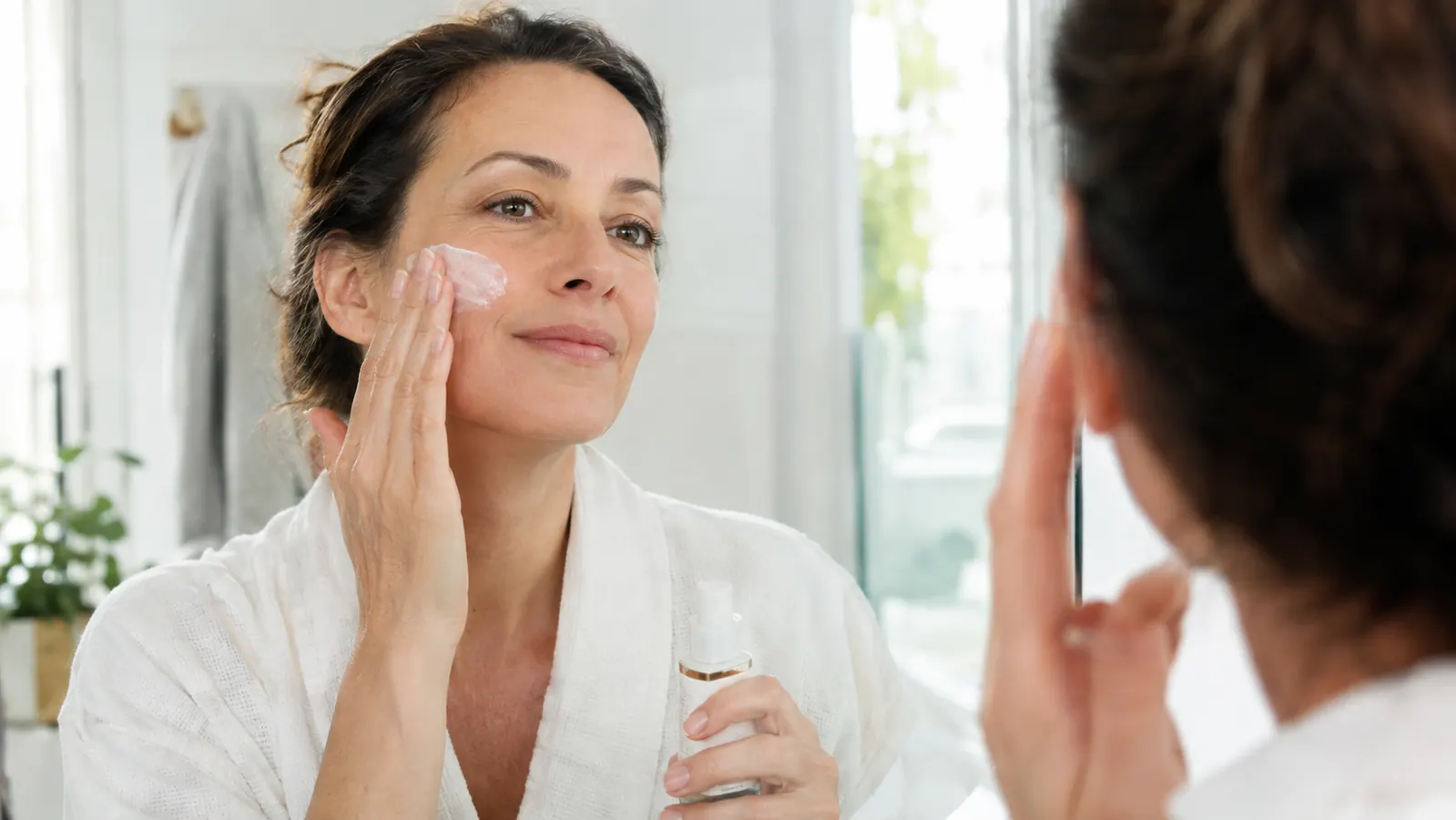
Fourteen years behind a department store beauty counter taught me one thing about sunscreen: the one people actually wear is the one they don't have to think about. I sold every formula that existed, from chalky zinc sticks to alcohol-heavy sprays, and I watched customers buy the one that felt like nothing on their skin. So when I started testing La Roche-Posay Anthelios Mineral Light Fluid Sunscreen, I wasn't checking the SPF number first. I was checking whether I would still be wearing it at noon.
This is the honest version of that test. No hype and no medical claims, just six weeks of daily wear on my 48-year-old combination skin: what I loved, what drove me crazy, and the three kinds of people I would tell to skip it.
The Quick Verdict
A genuinely light mineral sunscreen that disappears better than most, but the small bottle and the learning curve on application keep it from a perfect score.
Amazon Check Today's Price →What I Liked
- Thin, fluid texture that blends like a lotion, not a paste
- No white cast on my fair skin, just a soft brightening finish
- Never stung my eyes, even applied up to the lash line
- Layered under foundation without pilling
- Pump dispenses a controlled amount with no mess
Where It Falls Short
- Small bottle lasts me about three and a half weeks of daily use
- Needs small-section application or it dries into streaks
- Reapplying over an existing layer feels tacky for several minutes
- Five shades only, so deeper skin tones should test before buying
The mineral sunscreen that finally feels like nothing
If you have tried mineral sunscreens and hated the paste effect, this is the one that changed my mind. With more than 26,000 ratings on Amazon, it has earned its reputation. Check today's price and see if it works for your skin.
Amazon Check Today's Price on Amazon →How I Tested It
I wore La Roche-Posay Anthelios Mineral Light Fluid Sunscreen every morning for six weeks, from the second week of July through the first week of September, which in Columbus means humid, sweaty, unforgiving weather. I applied it to my face, neck, and chest after moisturizer and before makeup, exactly the way I would tell a customer to do it. I wore it alone on weekends, under foundation on workdays, and I re-applied it twice on a long outdoor Saturday to see how it layered.
My skin is combination: oily in the T-zone by early afternoon, dry on the cheeks in winter, with a few sun spots on my cheekbones that I am not shy about. I burn easily, so I have tested a lot of sunscreens over the years. I kept a small notebook in my bathroom drawer and wrote down three things every day: how it applied, how my face looked at lunch, and whether I reached for a blotting paper before 3pm.
The first week was a mess, and I want to be honest about that because it is part of the real story. I treated it like my usual moisturizer, dotted it across my forehead, cheeks, nose, and chin, and then blended in big circles. By the time I reached my chin, the dots on my forehead had already dried down, and I was left with pale streaks that took two rounds of concealer to fix. On the third morning, I changed my approach: one pump per section, blended immediately, then the next section. That was the day it clicked, and I never went back to the old way.
I also did a few things on purpose. I wore it under three different bases: a full-coverage foundation on workdays, a tinted moisturizer on weekends, and nothing at all on the two days I worked from home. I spent one full Saturday at the Franklin Park Conservatory, outside in the gardens from 10am to 4pm, to see how it held up in real sun. And I skipped moisturizer on three mornings to see whether the sunscreen alone was enough for my dry cheeks. It was not, by the way. My cheeks felt tight by noon on those days, so I went back to layering it over moisturizer.
One thing I did not do: I did not judge it on the first day. Mineral sunscreens have a reputation for being thick and pasty, and I have learned that first impressions are usually wrong. I gave it a full week before I formed an opinion.
What Nobody Tells You About the Texture
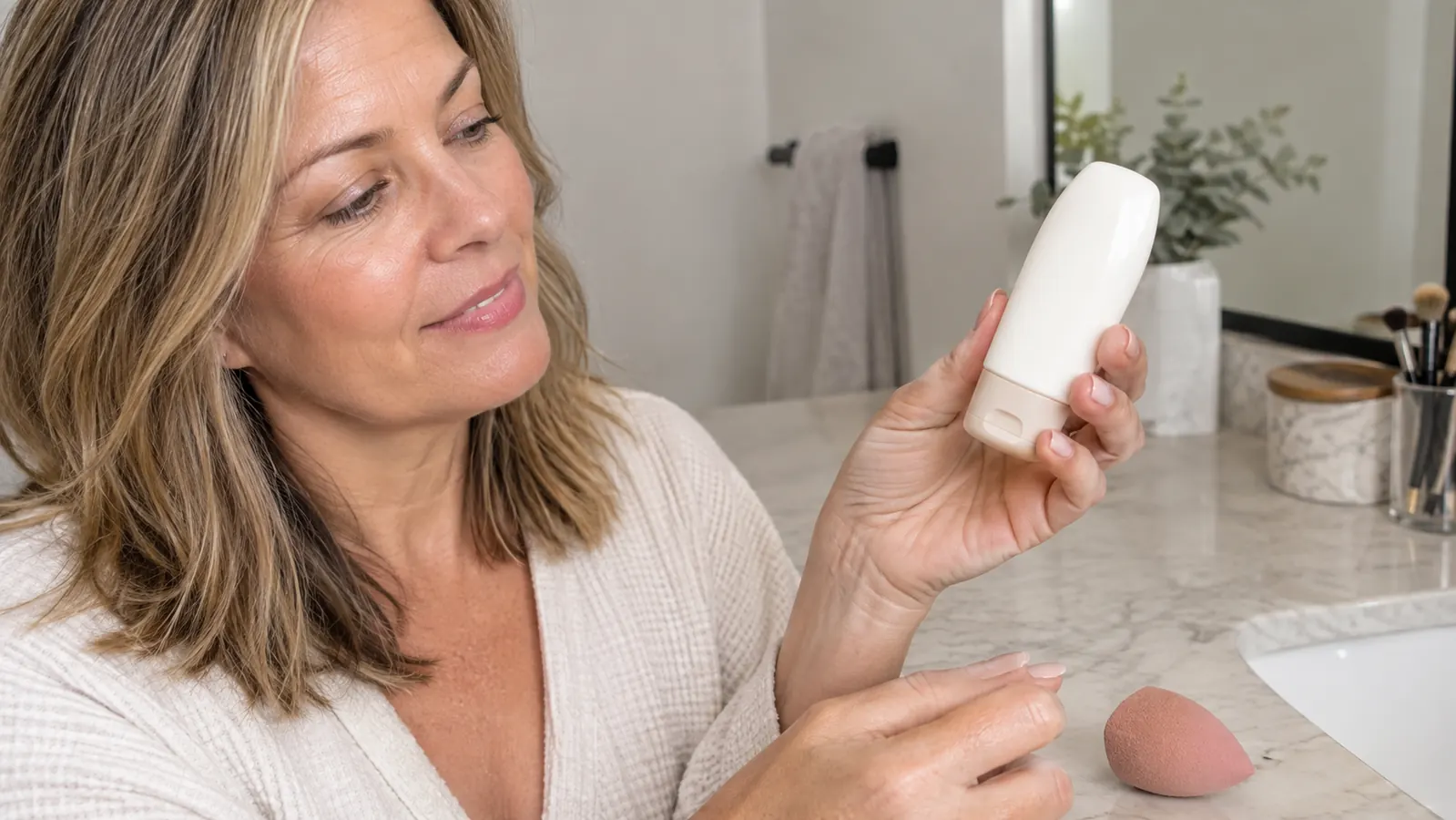
Here is the honest part. The texture of this sunscreen is genuinely thin, thinner than any mineral sunscreen I have sold or worn. It comes out of the pump as a fluid that spreads like a light lotion, not a paste. That part is true and it is the reason this product has a following. I sold sunscreens that felt like cake frosting and sunscreens that felt like rubbing wet chalk onto your face. This is neither.
But nobody tells you that thin texture comes with a learning curve. You have to work in small sections, because if you dot it all over your face and then start blending, the first dots are already drying down. I learned to pump once, blend that into one cheek, pump again, blend the other cheek, then forehead, then chin. When I did that, it disappeared into my skin in under a minute. When I got lazy and slathered it on like moisturizer, I got patchy streaks that took real effort to fix.
The drying time is fast, which is a compliment, but it is also the reason the technique matters. From the moment it touches your skin, you have maybe twenty seconds before it sets. That is great for a busy weekday morning, because I can be out of the bathroom in four minutes flat. It is less great if you are someone who likes to massage product in slowly. I would compare the feel to a lightweight serum more than a sunscreen, and that is coming from someone who has tried most of them.
The other thing nobody tells you: it is not completely invisible. On my fair-to-light skin, it leaves a very subtle finish, not a white cast, but a slight brightening that I actually liked. It looked like a soft-focus primer, and my foundation sat nicely on top of it. On deeper skin tones, I cannot tell you what it looks like, and I am not going to pretend I can. The brand makes this in five shades, which is more than most mineral sunscreens offer, but I would still want to test it on my own skin before committing. That is not a criticism of the product. It is just the honest limit of what one person can tell you.
The texture is genuinely thin, thinner than any mineral sunscreen I have sold or worn. But thin texture comes with a learning curve.
How It Wore Over a Full Day
The real test for me is what my face looks like at 4pm. I have worn sunscreens that felt great at 8am and turned into an oil slick by lunch. La Roche-Posay Anthelios Mineral Light Fluid held up better than most. My T-zone was shinier than it would be with no product, but not dramatically, and a quick blotting paper fixed it. My cheeks, which get dry in winter, never felt tight or flaky.
I tracked a typical workday in my notebook. I applied at 7:15am, after moisturizer and before foundation. At my 12:30 lunch break, I checked in the car mirror: no streaks, no patchiness, just a normal amount of shine on my nose. At 4pm, before I left my desk, I looked again. The sunscreen had clearly worn off in places, which is normal for any sunscreen, but my skin still looked even and I did not have that tired, greasy end-of-day face.
Under makeup, it performed better than I expected. I let it sit for about three minutes before applying foundation, and I did not get pilling. That is rare for a mineral sunscreen. I used the same foundation I have used for years, a medium-coverage liquid, and it went on smoothly over the sunscreen. On weekends, I wore it under a tinted moisturizer, and that combination was my favorite way to use it. The brightening finish did half the work the tinted moisturizer normally does.
The eye sting question: I am happy to report I had none. I am someone who has cried from sunscreen before, so this matters to me. I applied it all the way up to my lash line and never once felt that burning sensation. I also wore it on a 90-degree day at the Ohio State Fair, sweating through the afternoon, and my eyes were fine the whole time. That alone puts it ahead of several chemical sunscreens I have tested.
Reapplication was the weakest part of the test. On the long outdoor Saturday, I tried to reapply over my existing layer at 2pm, and it did not go well. The second layer sat on top of the first and felt slightly tacky for about ten minutes. It settled down, but it was not the effortless reapplication I get from a spray. If you are a reapply-every-two-hours person, you will want to plan for that. My solution was to blot my face first, apply a thin layer, and then wait a few minutes before touching my face. It worked, but it was not the quick touch-up I am used to.
I also learned that it behaves differently depending on what is underneath it. Over a heavy moisturizer, it took longer to set and felt slightly greasy for the first hour. Over a light lotion, it settled in about twenty seconds. Over nothing at all, it dried fast but my cheeks complained by noon. The best combination for me was a thin layer of a gel moisturizer, then the sunscreen, then a three-minute wait before makeup.
The Small Bottle Problem
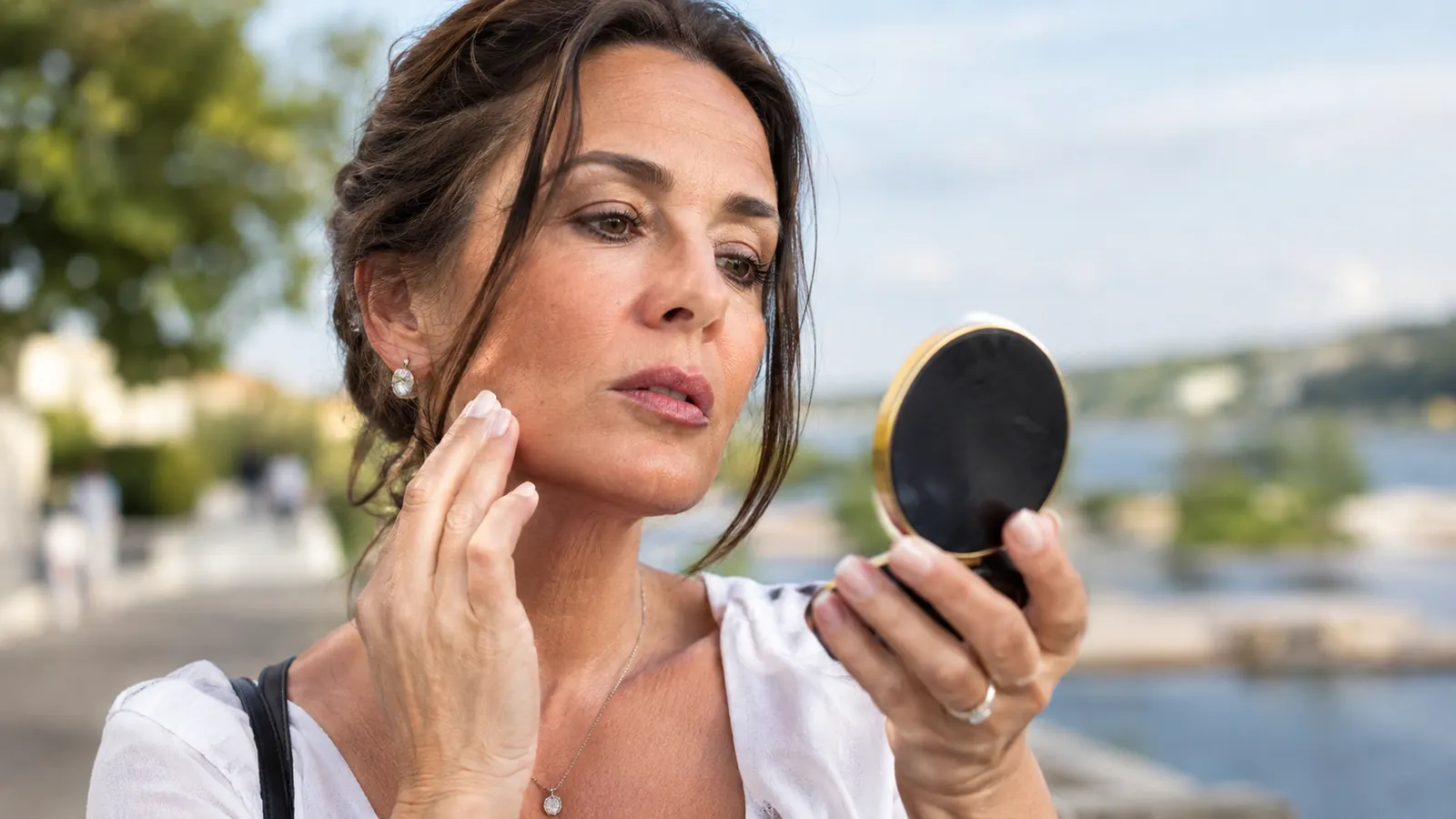
Here is the thing I would tell a friend, not a customer: the bottle is small. It is a fluid ounce and a half, which sounds fine until you remember the rule that you need about a quarter teaspoon for your face and neck. At that rate, one bottle lasts me about three and a half weeks of daily use. That is not a value complaint, it is a logistics complaint. I have to remember to reorder more often than I would like.
I did the math one morning while I was waiting for the coffee to brew. A quarter teaspoon works out to roughly a hundred and twenty applications in a 1.7 ounce bottle, but that assumes I am measuring. In real life, I use a little more than the rule, especially on days when I am spending the afternoon outside. By the end of the third week, I was tilting the bottle to get the last pumps out, and I ordered my second one before the first was completely empty.
The pump, though, is excellent. It dispenses a controlled amount, so I do not waste product, and it does not clog or sputter. I have used sunscreens with terrible pumps that shoot product across the bathroom, and this is not one of them. One full press gives me just about the right amount for one cheek, which makes the section-by-section application easier. I do wish the bottle were bigger, because a larger size would probably cost less per ounce, but I have not found this formula in a larger size.
The other small-bottle reality: this is not a body sunscreen. I tried to use it on my arms once, and I stopped after two days because I was burning through it. It is a face product, maybe a neck and chest product, and it does that job very well. If you want one bottle for everything, this is not it, and I would rather tell you that now than have you find out after the first week.
I also packed it for a weekend trip in August. The bottle is small enough to fit in a makeup pouch without hogging space, and the pump never leaked in transit, which is more than I can say for some sunscreens I have packed.
Who This Is For
This is for you if you have tried mineral sunscreens and hated the thick, pasty feeling. It is for you if you wear makeup and want a sunscreen that layers underneath without pilling. It is for you if you have sensitive skin that stings with chemical sunscreens, because this one never stung me once. And it is for you if you want a sunscreen that does not make you look like you are wearing sunscreen.
It is also for you if you have a busy morning and a small vanity like mine, because the routine is genuinely fast once you learn it. Pump, blend, pump, blend, and you are done in under two minutes. I kept a bottle in my bathroom and one in my weekend bag, and I reached for it more consistently than I have reached for any sunscreen in the past five years. That consistency matters more than the SPF number, because the best sunscreen is the one you actually use every day.
Who Should Skip It
Skip it if you want a set-it-and-forget-it sunscreen that you can slap on in ten seconds, because this one needs a little technique. Skip it if you are planning to reapply over makeup throughout the day, because the second layer is not as smooth as the first. Skip it if you are on a tight budget, because the small bottle means you will be reordering often. And if you have very deep skin, I would test it on your own face before buying, because I cannot tell you from personal experience how the tinted shades look on your skin tone.
I would also say skip it if you want a moisturizing sunscreen all in one. This is a sunscreen first and a skincare product second. On my dry winter cheeks, it was not enough on its own, and I needed a moisturizer underneath. If you are used to a single product that does both, you will end up buying two things anyway, and there are better two-in-one formulas for that job.
Worth trying if you have hated every mineral sunscreen
La Roche-Posay Anthelios Mineral Light Fluid is the closest thing I have found to a mineral sunscreen that behaves like a chemical one. See today's price on Amazon and decide for yourself.
Amazon Check Today's Price on Amazon →